Job interview tips: How to prepare, perform, and follow up
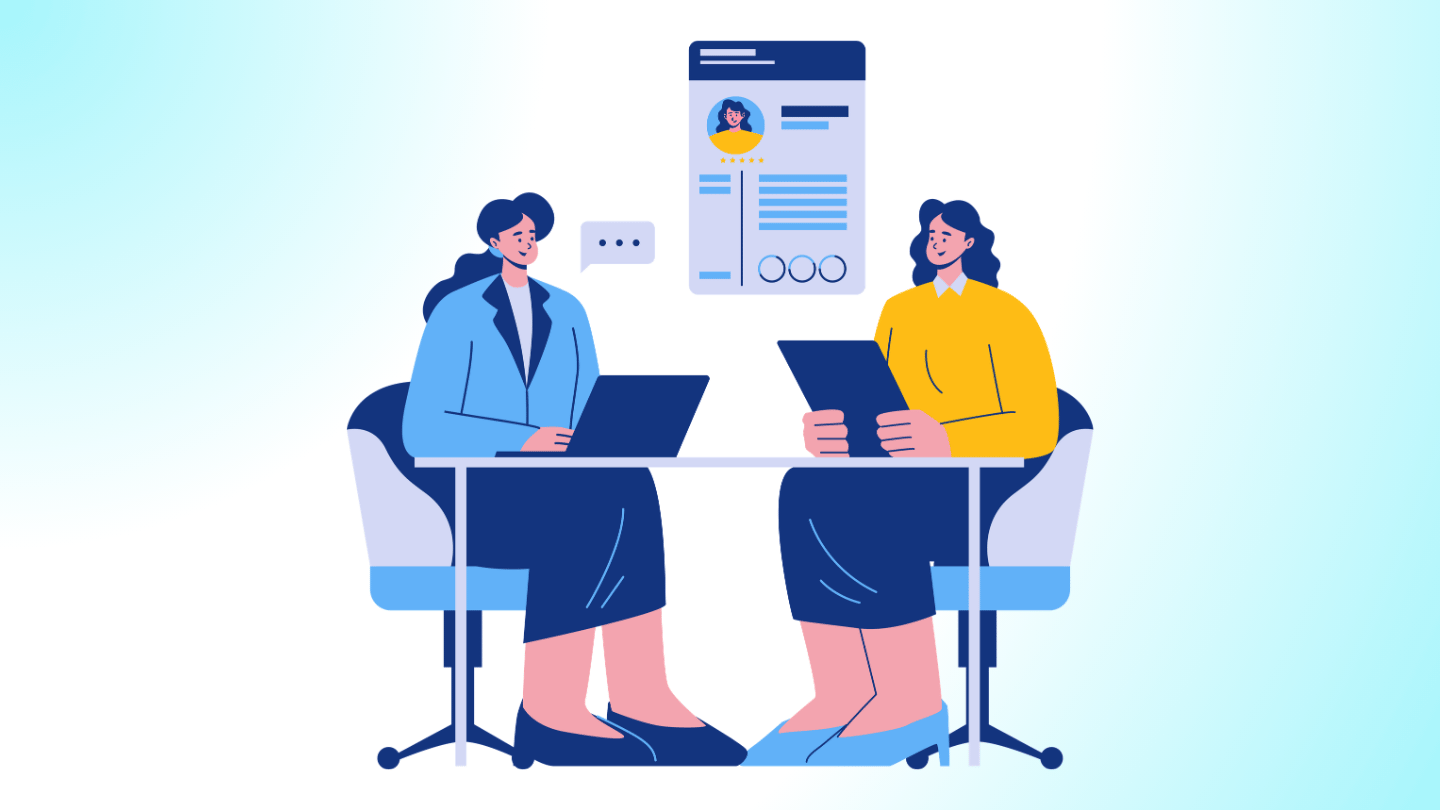
Getting an interview is a big deal. Whether you've been searching for a while or this opportunity landed quickly, it means someone looked at your background and thought: yes, let's talk. That's worth something.
Now the job is to show up ready. Not perfect, just prepared. Because the candidates who do well in interviews aren't necessarily the most experienced ones in the room. They're the ones who've done their homework, know their own story, and walk in with enough confidence to have a real conversation.
Here's how to be that person.
If you're still working on getting more interviews in the first place, our guide on the most common reasons you're not getting interviews covers exactly that.
How to prepare for a job interview
Good preparation isn't about memorising a script. It's about knowing the role, the company, and your own experience well enough that you can talk about any of them without having to scramble.
Research the company properly
Go beyond the homepage. Read recent news, check their LinkedIn, look at what they've been posting and talking about. You want to understand what they do, what they care about, and where they're headed. Interviewers notice when a candidate has clearly done their research, and they really notice when someone hasn't.
On hackajob, every employer has a company page you can review before your interview. It's worth a proper read because it often surfaces things the job description doesn't mention, like team structure, culture, and what the company is focused on right now. Use it.
Re-read the job description
Most people read it once when they apply and never look at it again. Go back to it before your interview and read it slowly. Note the skills and experience they've highlighted and think about where those things show up in your own background. Those are the areas you're most likely to be questioned on, so it's worth having your answers ready.
Prepare examples from your experience
Competency-based interviews run on examples. For each key requirement in the job description, have at least one real story ready from your own experience. The STAR framework is useful here: Situation, Task, Action, Result. Keep your examples focused and always get to the result because that's what lands.
Prepare questions to ask
Going into an interview with nothing to ask is a missed opportunity. It can read as disinterest, even if that's not the intention. Prepare three or four genuine questions about the role, the team, or where the company is going. The best questions come from your research and show you've actually been thinking about this.
If you're interviewing for a technical role, we have dedicated preparation guides for Java interviews, AI engineer interviews, backend developer interviews, and our full technical assessment preparation guide covers what to expect across formats and seniority levels.
How to introduce yourself in a job interview
The opening of an interview sets the tone for everything that follows, so it's worth getting this right.
When you're asked to introduce yourself or walk them through your background, the interviewer isn't looking for your full career history. They want a clear, confident snapshot of who you are professionally, what you've been working on, and why you're interested in this role.
A good structure: where you are now, a brief summary of your experience and what you've built, and why this opportunity caught your attention. Two minutes or less. Practice it out loud beforehand, not so it sounds rehearsed, but so it comes out naturally rather than in a nervous rush.
Here's what that might sound like for a marketing professional:
"I'm currently a marketing manager at a mid-size SaaS company, where I've spent the last three years building out our content and demand generation function. Before that I was at an agency working across several B2B clients. I've been looking to move into a more product-led environment for a while, and when I came across this role it felt like a strong fit."
Short, clear, relevant. It answers what they asked without going into unnecessary detail.
How to answer "tell me about yourself"
This is the most common opening question in interviews and, honestly, one of the most badly answered. People either go too far back, starting with university or their first ever job, or they're so vague the interviewer learns nothing useful.
The best answers are present-focused and forward-looking. They tell the interviewer what you do, what you're good at, and what you're looking for. They don't try to cover everything.
A few things that help:
Match the level of detail to the role. A senior candidate should sound senior, confident, specific about impact, and comfortable owning their experience.
Don't apologise for your career path. If you've changed direction or have an unconventional background, that's fine. Own it. A brief explanation of why the path makes sense is far more compelling than treating it like something to talk around.
Connect your answer to the role. The best version of this answer ends with a sentence that bridges your background to why you're in this particular interview. It shows you've thought about the fit, which is exactly what they want to see.
How to make a great impression on the day
Preparation gets you ready. How you actually show up is what wins the interview.
Be specific, not general
The candidates who stand out give concrete examples, not vague statements. "I'm good at stakeholder management" is forgettable. "I led a project requiring sign-off from five different departments and got it done in half the time we'd budgeted by setting up a shared decision log and weekly fifteen-minute check-ins" is memorable. Specificity is what makes your answers stick.
Think out loud
Interviewers aren't just listening to your answer. They're watching how you think. If you're working through a question, say so. "Let me think through this for a second" is far better than a long silence followed by a rushed response. It shows you're considered, not caught out.
Ask clarifying questions
If a question isn't clear, ask for clarification before you answer. It shows you care about giving a relevant response. It also buys you a moment to think, which is never a bad thing.
Watch your energy
It's easy to go flat by the halfway point of a longer interview. Stay engaged, keep the eye contact, and show genuine interest in the conversation. The candidates who seem like they actually want to be there are the ones who are easiest to say yes to.
Manage nerves practically
Nerves are completely normal and most interviewers fully expect them. What helps is arriving early so you're not flustered, taking a breath before you answer, and reminding yourself that this is a two-way conversation. You're also figuring out whether this is the right place for you.
How to track and manage your interviews
When you're actively job searching, things get complicated fast. Multiple applications, different stages, emails to chase, feedback to remember. It's a lot to keep on top of.
Your hackajob dashboard keeps everything in one place, so you can see exactly where each of your hackajob applications and interviews stands without digging through your inbox.
How to follow up after a job interview
Most candidates don't follow up after an interview. The ones who do, and do it well, tend to be remembered.
Send a short thank you email within 24 hours. It doesn't need to be long at all. Thank them for their time, mention one specific thing from the conversation that stuck with you or reinforced your interest, and confirm you're keen to move forward. That's genuinely all it needs to be.
If you were given a decision timeline and that date passes without news, one polite follow-up is completely appropriate. Hiring processes slip all the time for reasons that have nothing to do with you. A friendly nudge is fine.
If the answer is no, consider asking for feedback. Not everyone will give it, but some will, and occasionally you get something really useful. Either way, asking shows maturity and leaves a good impression, which matters more than people think.
What to do if you don't get the job
Rejection after an interview you felt good about is rough. There's no way around that. But it's worth knowing that interview outcomes are affected by a lot of things that have nothing to do with your performance.
Budgets get frozen. Roles get restructured mid-process. Internal candidates appear from nowhere. Hiring managers change. Sometimes someone who interviewed the day before you had slightly more specific experience for a very specific brief. None of that is about you.
Take any feedback you can get, sit with it honestly, and move on. One interview outcome tells you very little about your overall prospects. What matters is staying consistent, staying targeted, and not letting a single result knock your confidence in what you're capable of.
You'll get there.
Ready to get more interviews in the first place?
The best interview preparation actually starts before you even have an interview confirmed. Being matched to roles that genuinely fit your background means you're more likely to walk into conversations where the fit is already strong, which makes everything easier from the start.
Archer matches your profile to relevant roles across tech, finance, marketing, sales, operations, and more. When the fit is there, it connects you directly. Less time applying speculatively, more time preparing for conversations that are actually worth having.
Create your free profile on hackajob
Frequently asked questions
How do I prepare for a job interview?
Research the company thoroughly and re-read the job description before you go in. Prepare specific examples from your experience for the key requirements in the role, practice your opening introduction out loud, and have three or four genuine questions ready to ask at the end.
What are the best tips for a successful job interview?
Be specific rather than general in your answers, think out loud when you're working through a question, and stay engaged throughout the conversation. Concrete examples of real impact are far more memorable than vague claims about your skills. And do your research beforehand because it shows.
How do I introduce myself in a job interview?
Keep it focused and relevant. Summarise where you are now, give a brief overview of your background and what you've built, and explain why this role interests you. Aim for around two minutes and practice it beforehand so it comes out naturally.
How do I answer "tell me about yourself"?
Stay present-focused and connect your answer to the role. Explain what you do, what you're good at, and why you're interested in this opportunity. Avoid going too far back in your career history and don't try to cover everything. A clear, concise answer that ends with why you're sitting in this interview is far stronger than a full career walkthrough.
How long after an interview should I follow up?
Send a thank you email within 24 hours. If you were given a decision timeline that has passed, one polite follow-up is completely fine. Keep both messages short, warm, and genuine.
What should I do if I don't get the job?
Ask for feedback if you can, reflect honestly on anything useful, and move on. Rejection is often about circumstances rather than performance. Roles get closed, requirements shift, and internal candidates appear. One outcome tells you very little about your overall chances.